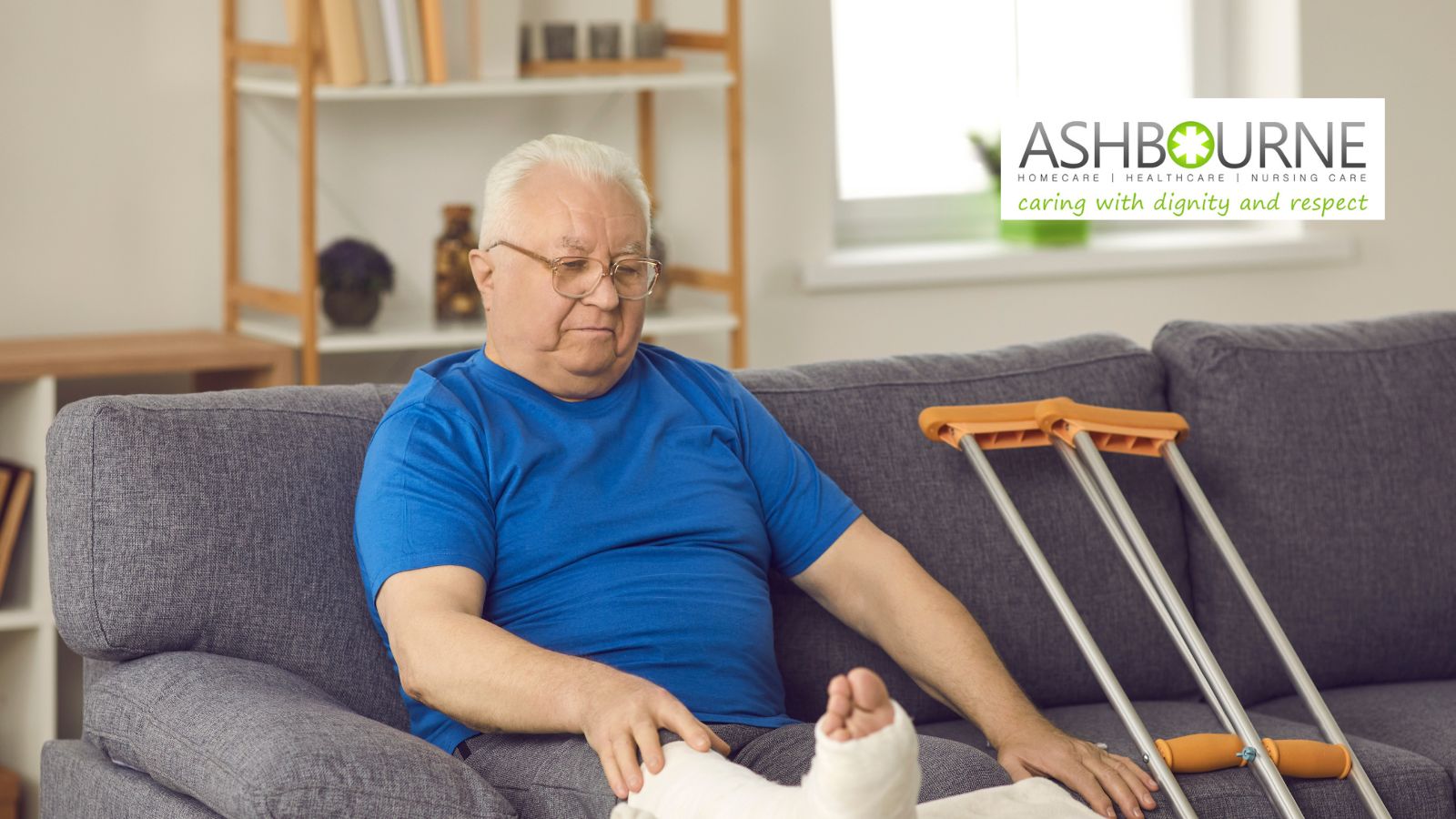
“My partner is being discharged from hospital and I still work — is short-term help available while they recover?”
When a partner is discharged from hospital after an accident, injury, or sudden illness, families often feel a mix of relief and pressure. You may be glad they’re well enough to come home — but also worried about how you’ll manage recovery alongside work, household responsibilities, and everyday life.
Hospital discharge can happen quickly. One day you’re relying on ward staff and routines, and the next the responsibility for care, safety, medication, and support shifts almost entirely to you at home.
From our experience supporting people after hospital discharge, this period can be especially challenging when one partner is recovering and the other needs to continue working.
Reassurance: Needing extra help after discharge is very common — even when recovery is expected to be short-term. Temporary support can make a meaningful difference without creating long-term dependence.
Why the weeks after discharge can be harder than expected
Being discharged doesn’t mean someone has fully recovered. It means their condition is stable enough to continue healing outside hospital.
After an accident or illness, people may still experience pain, fatigue, reduced mobility, or side effects from medication. Tasks that once felt straightforward — washing, dressing, preparing meals, or moving around safely — can suddenly feel exhausting or risky.
- Limited mobility or fear of falling
- Pain or stiffness, especially in the morning or evening
- Fatigue that slows recovery
- Medication schedules that are easy to get wrong
- Frustration, anxiety, or low mood linked to temporary loss of independence
These challenges are normal and don’t mean recovery isn’t progressing — they simply indicate that additional support may be needed for a short time.
Balancing recovery with work and daily responsibilities
Many partners worry they need to take extended time off work or manage everything alone. In reality, recovery often goes more smoothly when support is shared.
Trying to juggle work, care responsibilities, and household tasks can quickly become overwhelming, particularly in the first few weeks after discharge. This can lead to exhaustion, stress, and missed warning signs that recovery isn’t going as smoothly as hoped.
Short-term support can help bridge this gap, allowing you to continue working while knowing your partner is safe, supported, and not struggling alone during the day.
What short-term support after hospital discharge can look like
Support after discharge doesn’t have to be long-term or intensive. Many families benefit from flexible, temporary help while recovery settles.
- Help with washing and dressing
- Support with meals and hydration
- Medication prompts or supervision
- Assistance moving safely around the home
- Reassurance while you’re at work
Support can be adjusted as recovery progresses and reduced as independence returns.
What to clarify before leaving hospital
Before discharge, it’s important to understand what level of support may be needed at home — especially if you won’t always be present.
Useful questions to ask include:
- What level of mobility is expected in the first few weeks?
- Are there activity restrictions or safety risks to be aware of?
- How should pain be managed safely at home?
- What signs might suggest recovery isn’t progressing as expected?
- Is short-term support recommended during recovery?
Leaving hospital with clear answers can prevent stress and uncertainty later.
Recovery doesn’t follow a fixed timeline
Recovery after an accident or illness rarely follows a straight line. Some days will feel positive, while others may feel like setbacks.
Having temporary support in place allows recovery to happen at the right pace, without placing all the pressure on one person or risking burnout for the partner providing care.
Key Takeaways
- Hospital discharge means recovery continues at home
- The first few weeks after discharge are often the most challenging
- Balancing work and care can be overwhelming without support
- Short-term help can support safer, calmer recovery
- Support can be flexible and adjusted as recovery progresses
Conclusion
If your partner is being discharged from hospital and you’re worried about managing recovery alongside work, you’re not alone. Many families need additional support during this time — and that’s completely normal.
Short-term help after hospital discharge can provide reassurance, reduce pressure, and support recovery at home.
We’re here to help: If you’d like to talk through your situation and understand what support may be helpful after discharge, you’re welcome to contact Ashbourne Healthcare for a confidential conversation.
Email: enquiries@ashbournehealthcare.co.uk