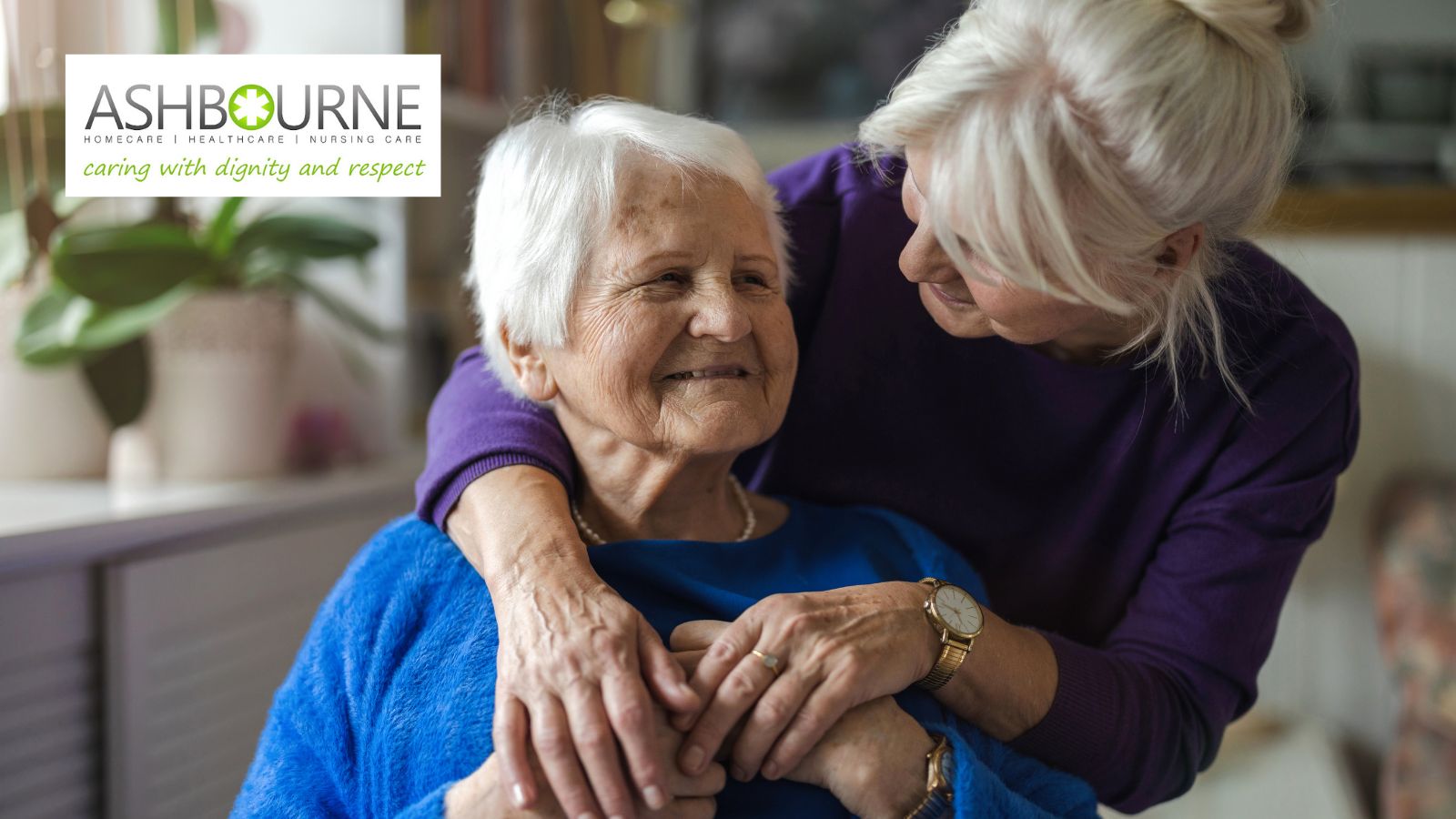
“My elderly neighbour feels cold even though her home is 23°C — should I be concerned?”
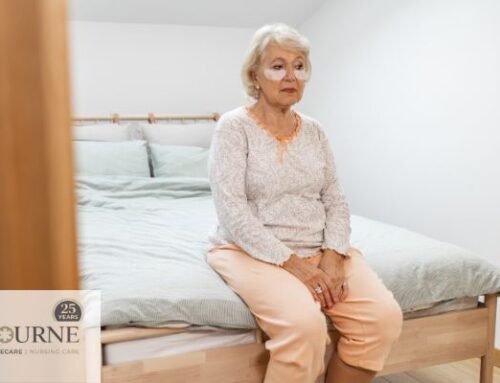
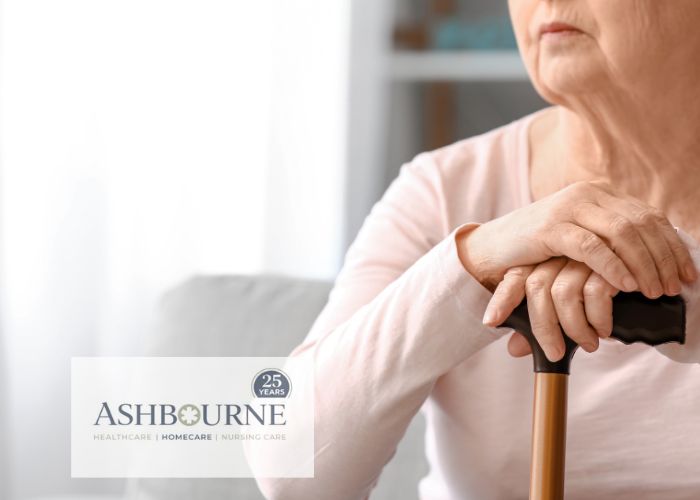
It’s something many people notice when supporting an older neighbour, relative, or friend. The heating is on, the home feels comfortable, and yet they’re still wrapped up, wearing layers indoors, or saying they “just can’t get warm”.
This can be confusing and worrying — especially when the room temperature is around 23°C and feels fine to everyone else.
From our experience supporting older people and their families, this is a very common concern in winter and doesn’t automatically mean something is wrong. In many cases, it relates to natural age-related changes in how the body produces and holds onto heat.
Reassurance: Many older adults feel colder than others, even in a warm home. This is often linked to normal age-related changes and can usually be improved with small, practical adjustments.
Why older people often feel cold — even in a warm home
As we age, the body becomes less efficient at regulating temperature. Several natural changes can make an older person feel cold even when the heating is on:
- Slower metabolism, meaning the body produces less internal heat
- Thinning skin and reduced natural insulation under the skin
- Reduced circulation, especially to hands and feet
- Less movement during the day, which reduces warmth generated by muscles
- More time sitting, where the body cools more quickly
This means a temperature that feels comfortable to a younger person can feel genuinely cold to an older adult — particularly if they are sitting still for long periods or experiencing cold hands and feet.
Could health or medication play a part?
Sometimes, feeling unusually cold can be influenced by health conditions that are more common in later life, such as thyroid conditions, anaemia, circulation problems, heart conditions, or diabetes. Certain medications can also affect circulation or how warm someone feels.
It’s also worth noting that many care organisations discuss how age-related changes such as reduced heat production and circulation can contribute to cold sensitivity in older adults.
(Caregiver.com)
Important: This article is for general information only and is not a substitute for medical advice. If you have concerns about someone’s health — especially if symptoms are new, sudden, severe, or worsening — encourage them to speak to their GP or seek medical advice.
What signs should I keep an eye on?
Feeling cold on its own is often manageable. However, it’s sensible to pay closer attention if you notice additional changes such as:
- Shivering indoors or feeling cold most of the day
- Cold hands and feet that don’t improve with socks, slippers, or blankets
- Increased tiredness, low mood, or withdrawal from normal activities
- Changes in appetite, sleep, or routine
- A noticeable change from how the person usually feels
If symptoms persist or worsen, it’s always appropriate to encourage medical advice.
How can I help my neighbour feel warmer and more comfortable?
There are many simple, low-cost steps that can improve comfort without turning the heating up further. These small changes often make a big difference in day-to-day wellbeing:
- Layer clothing (several thin layers can keep warmth in better than one heavy item)
- Warm socks and slippers to help feet stay comfortable
- Throws or blankets in the usual sitting areas
- Reduce draughts near doors and windows where possible
- Keep warmth where it’s needed (for example, consistently heating the room they spend most time in)
Warm food and drinks can help too
Warm meals and drinks can provide comfort and help someone feel warmer from the inside. Many older adults find that small, regular warming options through the day are more helpful than one large meal.
- Soups, stews, and warm porridge
- Warm milk, herbal teas, or other hot drinks
- Simple nourishing snacks between meals
Gentle movement can improve circulation
If it’s safe and appropriate, gentle movement can help improve circulation and generate warmth. This could be as simple as standing up regularly, a short walk around the home, or light stretching.
Is 23°C “warm enough” for older people?
There isn’t one perfect temperature for everyone. While 23°C may feel warm to some people, many older adults still feel cold due to changes in metabolism, circulation, and insulation under the skin.
In many cases, comfort improves more by focusing on layers, reducing draughts, warm drinks and meals, and gentle movement — rather than increasing heating alone.
Key Takeaways
- Elderly people may feel colder due to normal age-related changes in metabolism, skin, and circulation
- Some health conditions and medications can increase sensitivity to cold
- Simple environmental adjustments can improve comfort without expensive heating solutions
- Warm foods and drinks can support natural warmth and comfort
- Cold sensitivity that suddenly worsens should always be checked with a healthcare professional
Conclusion
If your elderly neighbour feels cold even when her home is warm, it’s often a normal and understandable part of ageing — and there are many simple ways to help improve comfort. Kind check-ins, practical support, and gentle reassurance can go a long way, especially during colder months.
If you’re ever unsure or concerned, it’s always appropriate to encourage medical advice.
Need support at home?
If you’re supporting an older neighbour or loved one and feel unsure what help might be appropriate, we’re here to help.
Call Ashbourne Healthcare Services on 020 7736 5200 to discuss how our home healthcare services can support older people and their families.
— Ashbourne Healthcare Team