How can I tell if my mum needs help at home?
Not every warning sign is obvious. Often, it is small changes that show an older person may no longer be managing safely on their own.
Here are six common signs families should look out for:
Reassurance: Needing extra support does not mean your loved one has lost their independence. In many cases, home care is what helps someone stay safe and well in their own home for longer.
1. Unsteady walking or risk of falls
If your loved one is holding onto furniture, moving more slowly, or seems less steady on their feet, this may be an early sign that they need support.
- Holding onto walls, furniture, or worktops when walking
- Moving more slowly than usual
- Shuffling or hesitating before standing up
- A recent fall or near-fall
- Fear of falling again
Falls are one of the biggest risks to an older person’s safety and confidence. Early support at home can help reduce that risk.
2. Recovery after illness or hospital stay
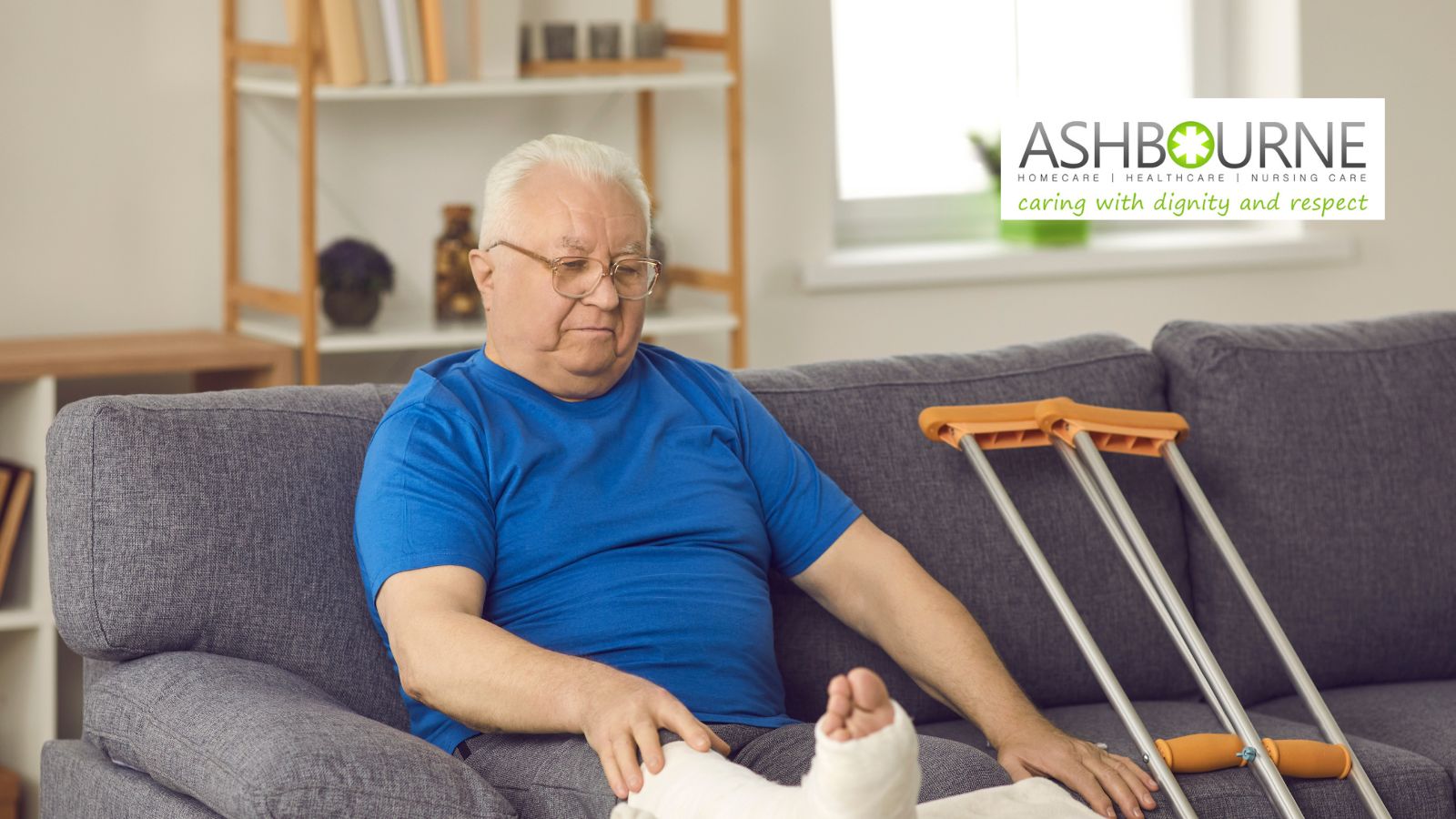
Many older people need extra help after illness, surgery, or a long hospital stay. Even when they are medically stable, recovery at home can take longer than expected.
- Feeling weaker than before
- Getting tired very quickly
- Needing help with washing, dressing, or meals
- Finding it harder to move around safely
- Needing reminders for medication or routines
Short-term support during recovery can help prevent setbacks and make the return home feel safer and more manageable.
3. No longer safe to drive
If your loved one has stopped driving, or no longer feels confident behind the wheel, daily life can quickly become more difficult.
- Missing appointments
- Struggling to collect prescriptions
- Finding it harder to shop for food
- Becoming more isolated at home
Home care can help with transport, errands, and keeping older adults connected to the outside world.
4. Struggling with everyday tasks
One of the clearest signs that support may be needed is when everyday routines start to slip.
- Meals being skipped or replaced with snacks
- Housework being left undone
- Laundry piling up
- Missed medication
- Difficulty with washing, dressing, or personal care
- Unopened post or unpaid bills
These changes often happen gradually, but they can have a serious impact on health, safety, and wellbeing.
5. Memory problems or confusion
Occasional forgetfulness can be part of ageing, but ongoing memory problems that affect safety should not be ignored.
- Forgetting medication
- Leaving the cooker or appliances on
- Repeating questions often
- Confusion about time or place
- Getting lost in familiar areas
- Withdrawing from normal activities
When memory issues begin to affect daily life, regular support and routine can make a meaningful difference.
6. Loneliness or isolation
Spending too much time alone can affect both physical health and emotional wellbeing.
- Rarely leaving the house
- Limited contact with friends or family
- Low mood or lack of interest in usual activities
- Less confidence going out alone
Regular companionship and practical support can help older adults feel safer, more connected, and more confident.
Key Takeaways
- Small changes in mobility, memory, or routine can be important warning signs
- Recovery after illness or hospital discharge often requires extra support
- Struggling with daily tasks can affect safety and wellbeing at home
- Loneliness and isolation can have a serious impact on health
- Starting with small amounts of support can make a big difference
Conclusion
If you have noticed one or more of these signs, it may be time to consider whether some extra support at home would help. Often, acting early can prevent a crisis and make day-to-day life safer, easier, and more comfortable.
Home care does not have to start with anything dramatic. In many cases, just a small amount of regular help can support independence and provide reassurance for the whole family.
We’re here to help: If you are concerned that an elderly loved one may need more support at home, Ashbourne Healthcare is here to offer guidance and a confidential conversation.
Email: enquiries@ashbournehealthcare.co.uk