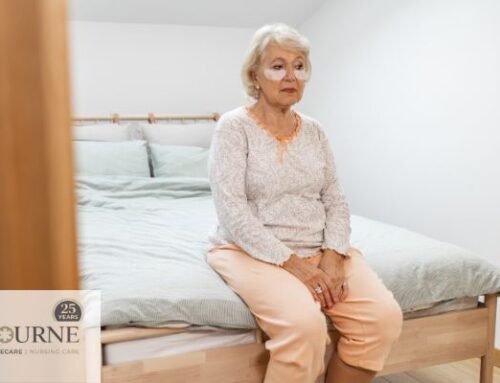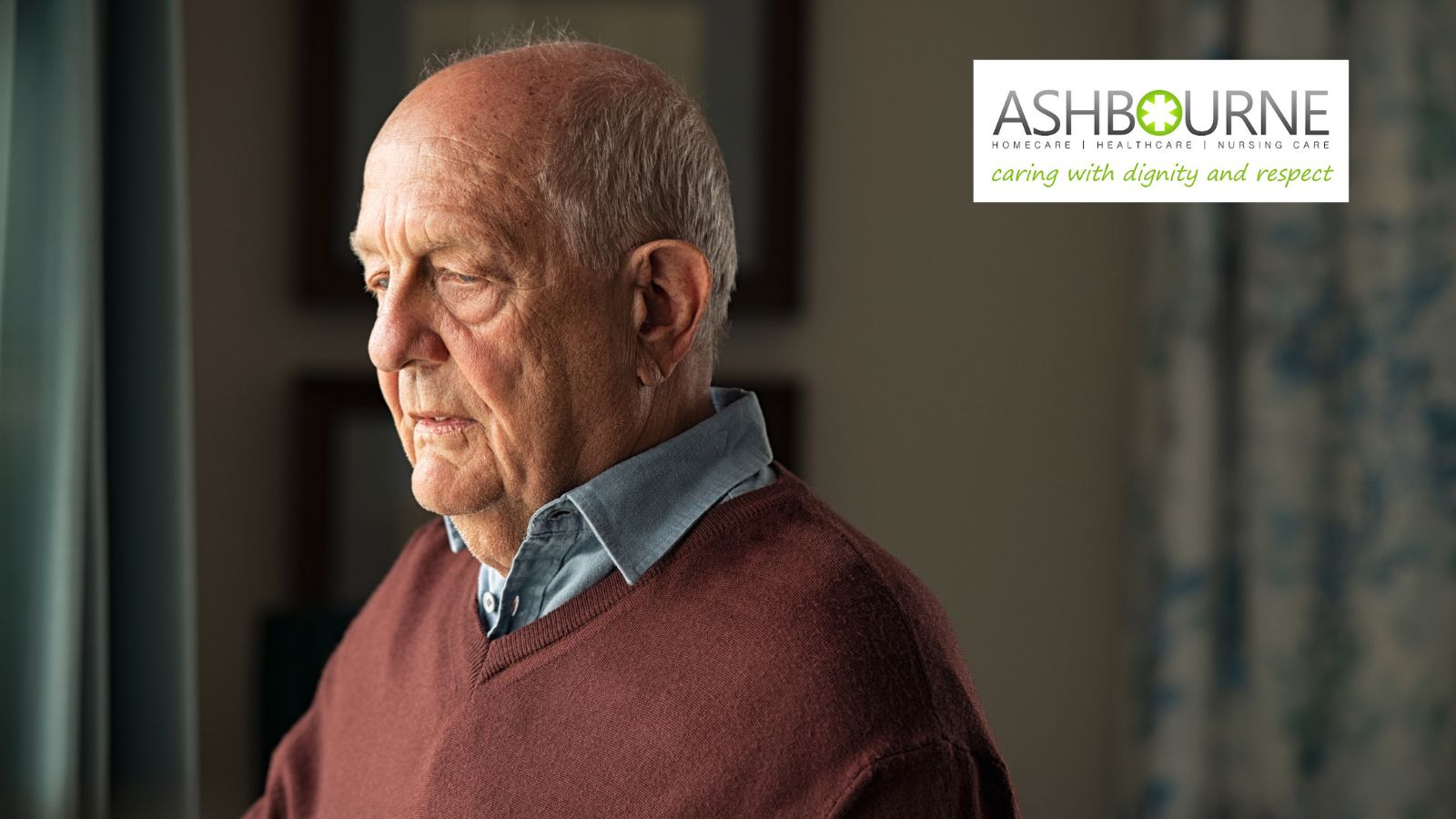
“As the year comes to an end, my dad (77) seems a bit low — is this normal?”
Many families notice small changes in an older parent’s mood as the year draws to a close. When a father in later life becomes quieter, more withdrawn, or less interested in the season, it can raise gentle but persistent worries:
Is this just the time of year? Is he tired after Christmas? Or is something not quite right?
From our experience supporting older people and their families, this is a very common concern during the days between Christmas and New Year. For many older adults, this period brings reflection, tiredness, and emotional adjustment — not necessarily a deeper problem.
Reassurance: It’s very common for older people to feel quieter or more subdued at the end of the year. These changes are often temporary and linked to routine disruption and reflection.
Why the end of the year can feel harder for older people
As the year closes, many older adults naturally reflect on how life has changed. For someone in their late 70s, this might include thoughts about independence, loved ones who are no longer around, or simply feeling more tired after a busy festive period.
Shorter days, colder weather, disrupted routines, and the sudden quiet after Christmas activity can all contribute to lower energy and mood.
- End-of-year reflection and mixed emotions
- Fatigue after the Christmas period
- Disrupted routines and sleep patterns
- Darker days and less daylight
- A quieter home after visitors leave
What families often notice
Families often tell us they’ve noticed subtle changes rather than anything dramatic. These may include:
- More quietness or withdrawal
- Less interest in conversation or plans
- Wanting more rest or time alone
- A general sense of flatness or low energy
These changes are often seasonal and settle once routines return.
What can help during this in-between period
This time between Christmas and New Year doesn’t need to be busy or upbeat. Gentle support is often what helps most.
- Keeping daily routines familiar and predictable
- Offering company without pressure to socialise
- Creating calm, meaningful moments
- Letting your loved one set the pace
Consistency and reassurance are often more helpful than trying to change how someone feels.
When should I seek advice?
If your dad’s low mood continues into the new year, begins to affect sleep, appetite, or daily life, or simply doesn’t feel like him, it’s important to seek medical advice and talk things through with a healthcare professional.
Conclusion
A quieter mood at the end of the year is very common for older people, particularly after Christmas. In many cases, it’s a natural response to tiredness, reflection, and change — and it passes with time and routine.
Trust your instincts. Gentle support, patience, and reassurance often go a long way.
Need support at home?
If you’re concerned about an older loved one’s emotional wellbeing as the year comes to an end, we’re here to help.
Call Ashbourne Healthcare Services on 020 7736 5200 to discuss how our home healthcare services can support you and your family.
— Ashbourne Healthcare Team