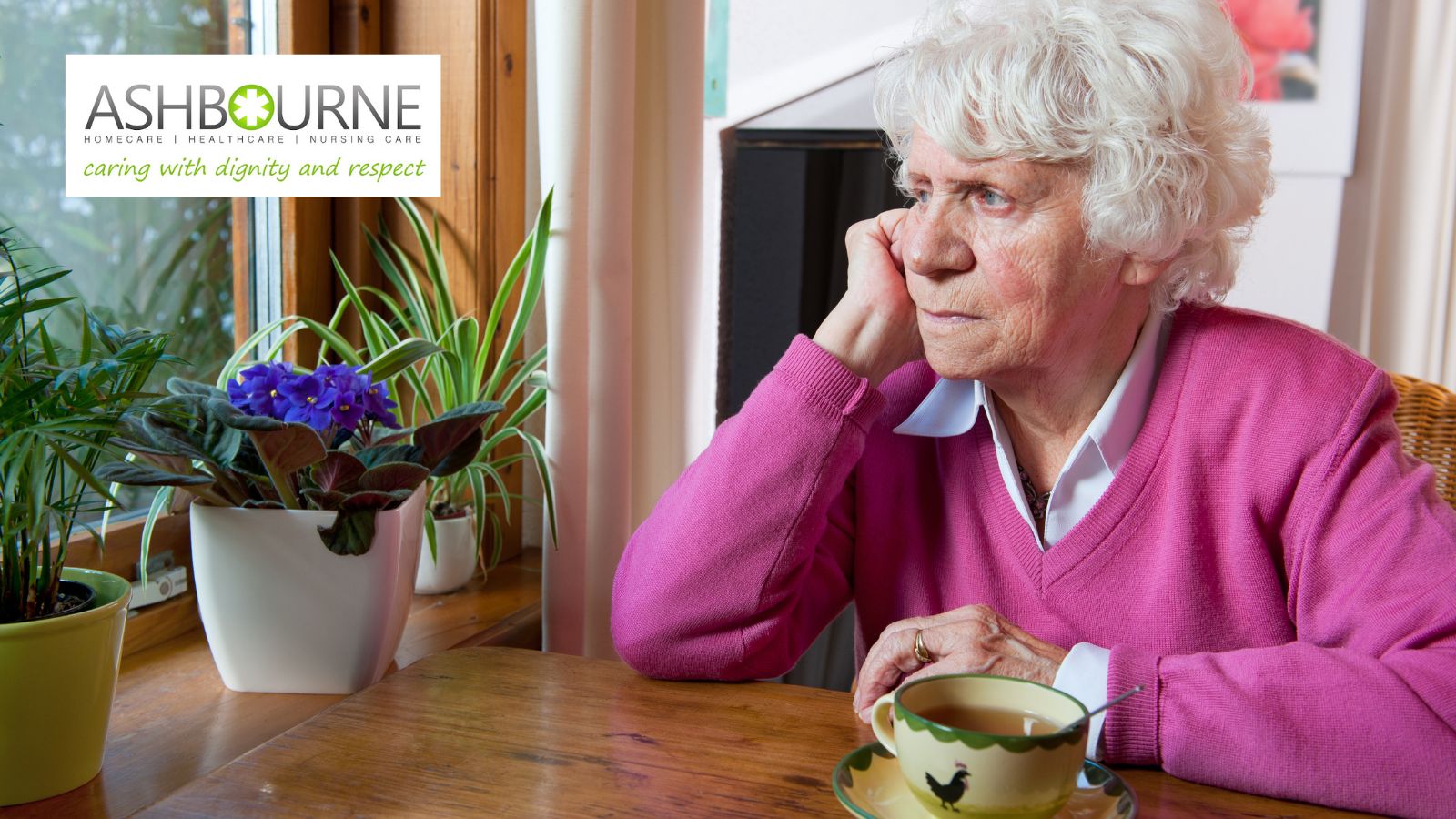
“My elderly parent doesn’t want strangers in the house — what are our care options?”
It’s a situation many families find themselves in. You may notice your parent is struggling a little more at home, but whenever support is mentioned, the response is firm: they don’t want unfamiliar people coming into their space.
This can be worrying — especially when you’re trying to balance respect for your parent’s wishes with concerns about their wellbeing, safety, or day-to-day comfort.
From our experience supporting older people and their families, this reaction is very common and doesn’t usually mean someone is being difficult. More often, it reflects fear, uncertainty, or a desire to protect independence.
Reassurance: Many older adults feel uncomfortable with unfamiliar people in their home. This is a normal response and doesn’t mean support isn’t possible — it often just needs to be introduced gently and on their terms.
Why older people may resist having help at home
For many older adults, home represents privacy, familiarity, and control. The idea of someone they don’t know entering that space can feel unsettling or even threatening.
- Fear of losing independence or being seen as incapable
- Concerns about privacy and dignity, especially around personal routines
- Embarrassment about needing help
- Anxiety or lack of trust around unfamiliar people
- Strong habits of coping alone built up over many years
Sometimes, when a parent says they don’t want strangers in the house, what they are really expressing is fear about change — not a refusal of help itself.
Why it’s important to pay attention
Reluctance to accept help doesn’t automatically mean something is wrong. However, families often start these conversations because they’ve noticed subtle changes.
- Increasing forgetfulness or confusion
- Missed meals or medication
- Reduced mobility or fear of falling
- Growing isolation or low mood
- Family members feeling concerned or stretched
Support at home is not about taking control away — it’s about helping someone stay safe, comfortable, and independent for longer.
Care options that don’t feel overwhelming
Support doesn’t have to mean regular carers or a constant presence. Many families begin with options that feel less intrusive and more acceptable.
- Help from trusted family members or friends
- Occasional or one-off support rather than routine visits
- Consistency, with the same professional rather than multiple people
- Medical care provided at home, such as GP visits
- Gentle check-ins rather than hands-on assistance
Starting small allows older people to feel in control and often reduces anxiety around accepting help.
When medical advice may be helpful
Sometimes resistance to help is linked to underlying health changes, such as pain, fatigue, anxiety, or memory difficulties. A medical review can help clarify whether health factors are contributing to changes in behaviour or confidence.
This kind of support focuses on understanding what’s going on and offering reassurance — not forcing unwanted care.
If you notice sudden changes, worsening confusion, or concerns about safety, it’s appropriate to encourage a conversation with a healthcare professional.
Key Takeaways
- Many older adults feel uneasy about unfamiliar people in their home
- Resistance often reflects fear, not refusal of support
- Care does not have to be all-or-nothing
- Small, gentle steps are often more successful
- Medical advice can help clarify underlying concerns
Conclusion
If your elderly parent doesn’t want strangers in their home, you’re not alone — and it doesn’t mean support isn’t possible. With patience, understanding, and the right approach, many families find ways to introduce help that feels respectful and reassuring.
Keeping conversations open and focusing on dignity and choice can make a meaningful difference.
If you’re ever unsure or concerned, it’s always appropriate to encourage medical advice.