Supporting Independent Living in Later Life: A Practical Guide to Home Adaptations
Many families reach a point where they begin to worry about an ageing parent’s safety at home. When a mother or father in their 80s wants to remain independent, it can raise difficult questions: Is their home still safe? What adaptations are possible? And how do we make changes without taking away dignity or independence?
From our experience supporting older adults and their families, these concerns are extremely common — particularly after a change in health, mobility, or confidence. The good news is that with the right home adaptations and early planning, many older people can continue living comfortably and safely in their own homes for longer.
Reassurance: Home adaptations can significantly reduce fall risks and help older adults remain independent for longer — often by several years.
Why home adaptations matter
Home adaptations can significantly reduce fall risks and extend independent living for older adults by up to 3.5 years. Falls remain one of the leading causes of injury in later life, particularly for people over the age of 80, and many of these accidents are linked to environmental hazards within the home.
Simple changes — such as better lighting, grab rails, or step-free access — can make everyday activities safer and more manageable, helping older adults maintain confidence and dignity in their own surroundings.
What counts as a home adaptation?
Home adaptations range from minor safety improvements to major structural changes. The right solution will depend on individual needs, mobility, and the layout of the home.
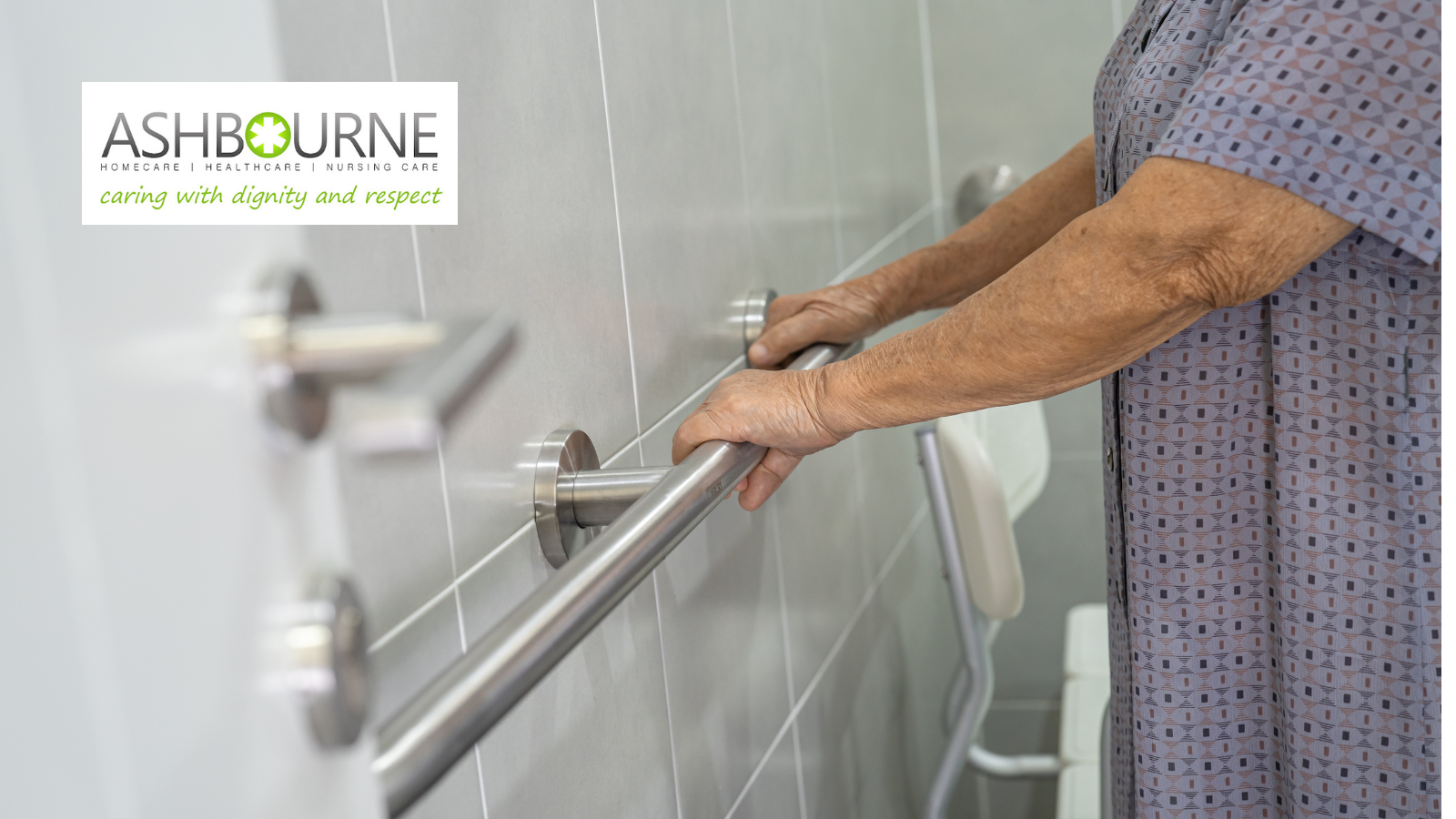
- Grab rails and handrails
- Improved lighting
- Raised toilet seats and easier-to-use taps
- Non-slip flooring and removal of trip hazards
More significant adaptations may include stairlifts, walk-in showers, widened doorways, ramps, or ground-floor bathroom installations. These changes are often essential for people with ongoing or progressive mobility challenges.
Quick safety changes vs. major adaptations
Some adaptations can be installed quickly and with minimal disruption. These include non-slip mats, improved lighting, reorganising storage to reduce reaching or bending, and fitting basic grab rails.
Major adaptations require more planning and professional installation but often provide the greatest long-term benefit. These may include bathroom conversions, stairlifts, or changes to improve wheelchair access. Starting the process early — before a crisis occurs — allows families to make calmer, better-informed decisions.
Getting a professional assessment
Before making significant changes, a professional assessment can help identify which adaptations will offer the most benefit. Most local councils provide free assessments carried out by occupational therapists.
- Contact your local council’s adult social care team
- Request an occupational therapy assessment
- Prepare a list of daily tasks that have become difficult
- Highlight any recent falls or near-misses
These assessments are practical and supportive, focusing on helping older adults remain safe and independent at home wherever possible.
Funding support for home adaptations
In England, the Disabled Facilities Grant (DFG) can provide up to £30,000 for essential home adaptations, depending on eligibility and financial circumstances. Additional funding or support may also be available through local councils or charities.
For further independent guidance on adapting a home for comfort and safety, Age UK provides a clear and practical overview:
Age UK – Making your home comfortable and safe
Conclusion
Creating a safer home environment for an elderly loved one doesn’t have to feel overwhelming. With the right adaptations in place, older adults can maintain their independence for longer while reducing the risk of falls and avoidable hospital visits. Early planning allows families to make thoughtful, practical changes that support confidence, comfort, and quality of life.
Need advice or support?
If you’re concerned about an elderly loved one’s safety or independence at home and aren’t sure where to start, we’re here to help.
Call Ashbourne Healthcare Services 020 7736 5200 to discuss your situation and explore person-centred options that support safe, independent living.
— Ashbourne Healthcare Team